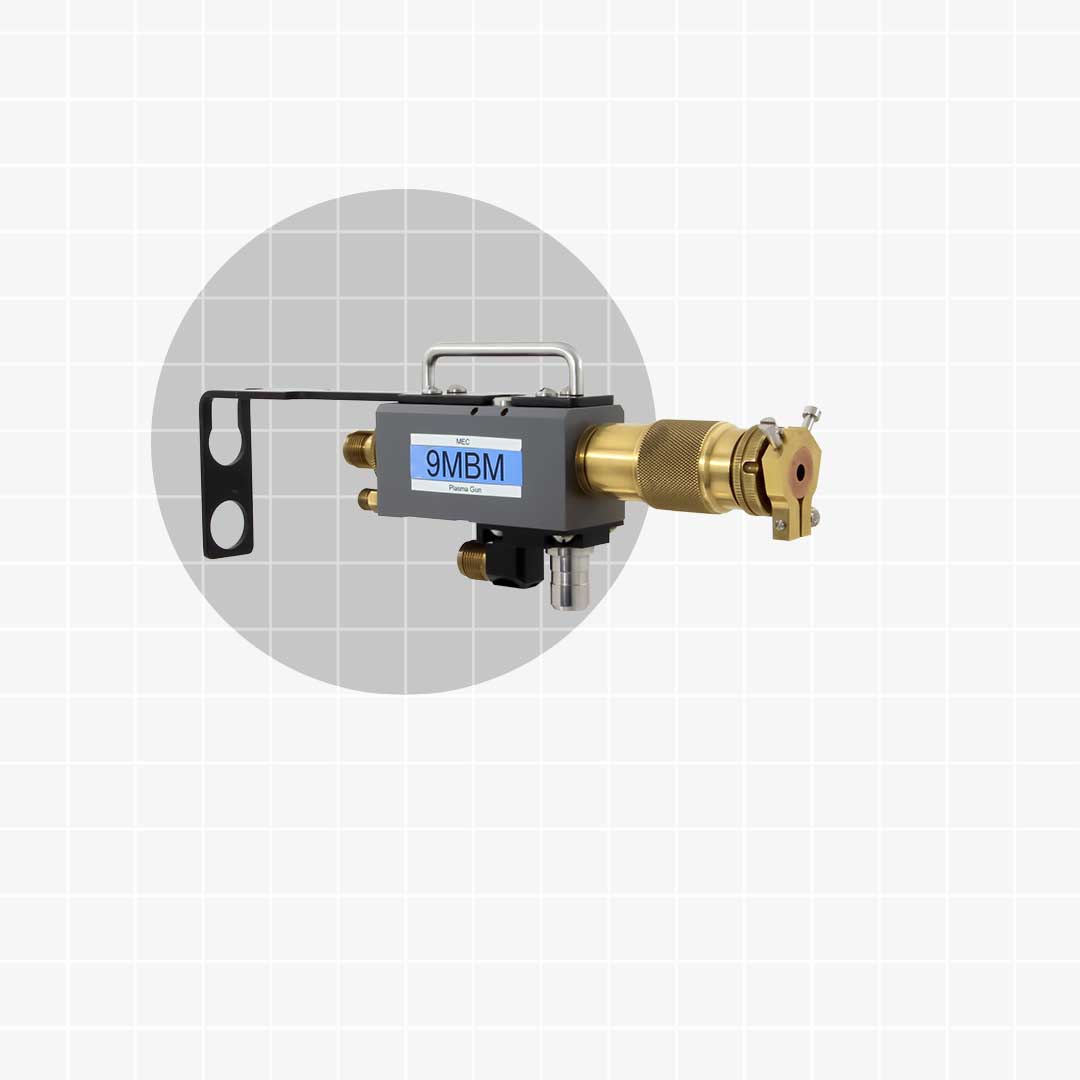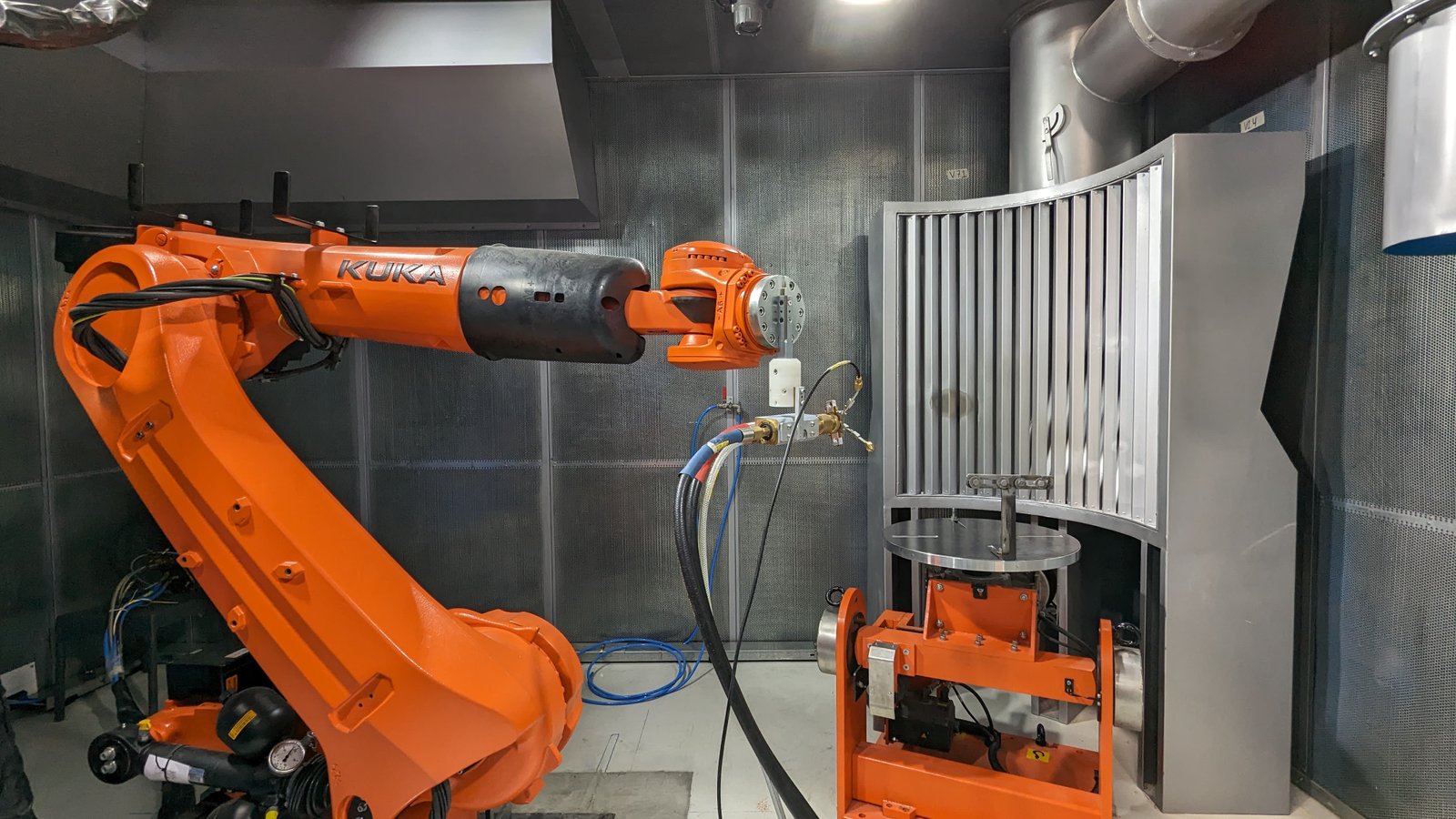
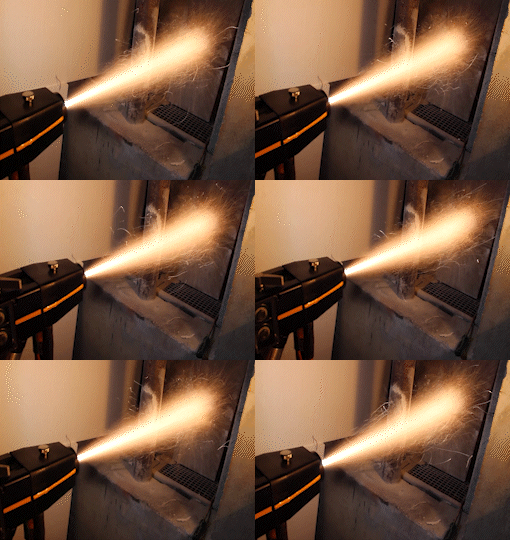
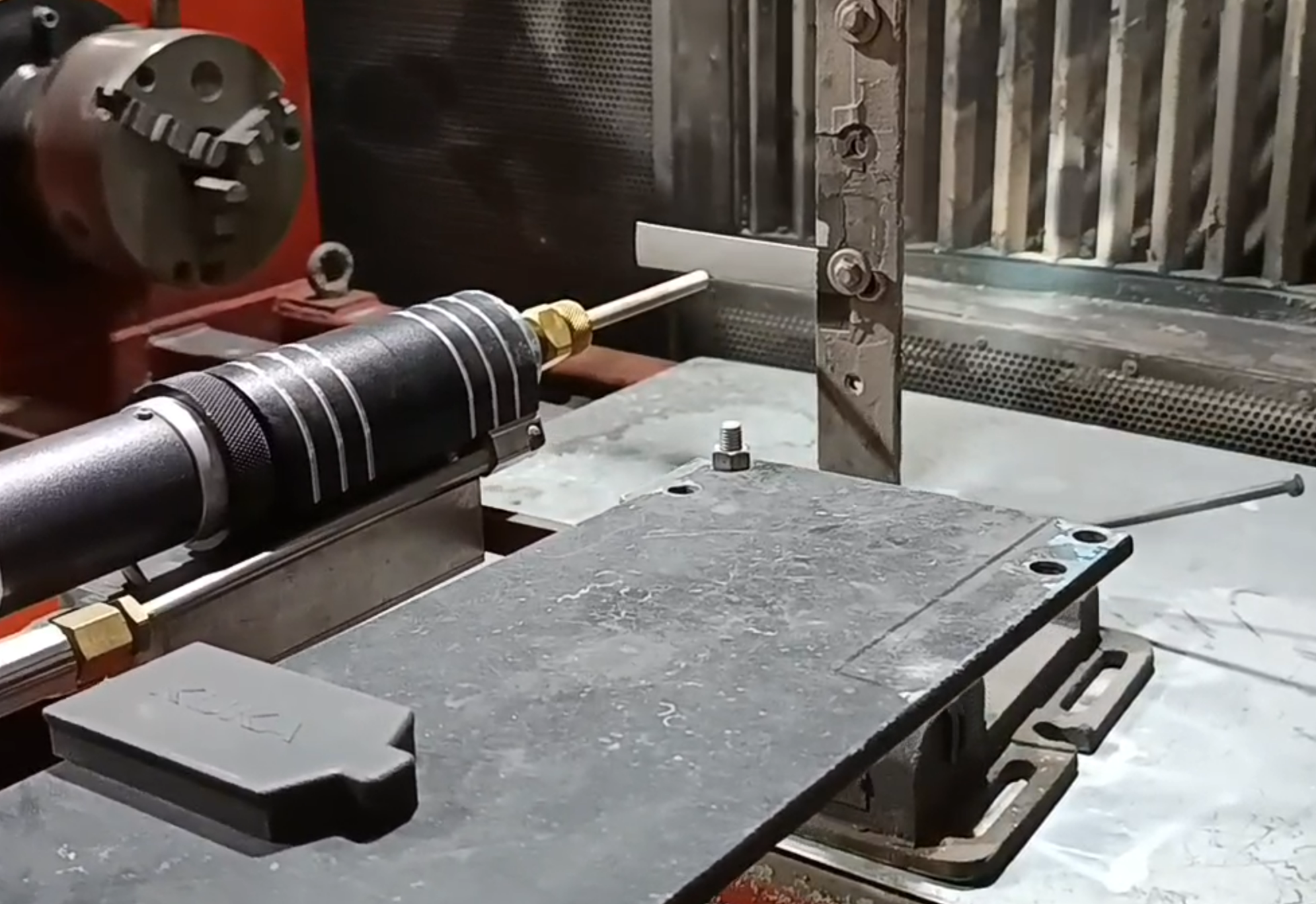
Wire Arc Spray is a thermal spray process in which two electrically conductive wires are melted by an electric arc formed between them. The molten material is atomized by compressed air and propelled onto the substrate to form a coating. The process offers high material output and low operating costs, making it a practical solution for industrial coating applications. Wire arc spraying is widely used for corrosion protection and dimensional restoration of worn or mis-machined components.
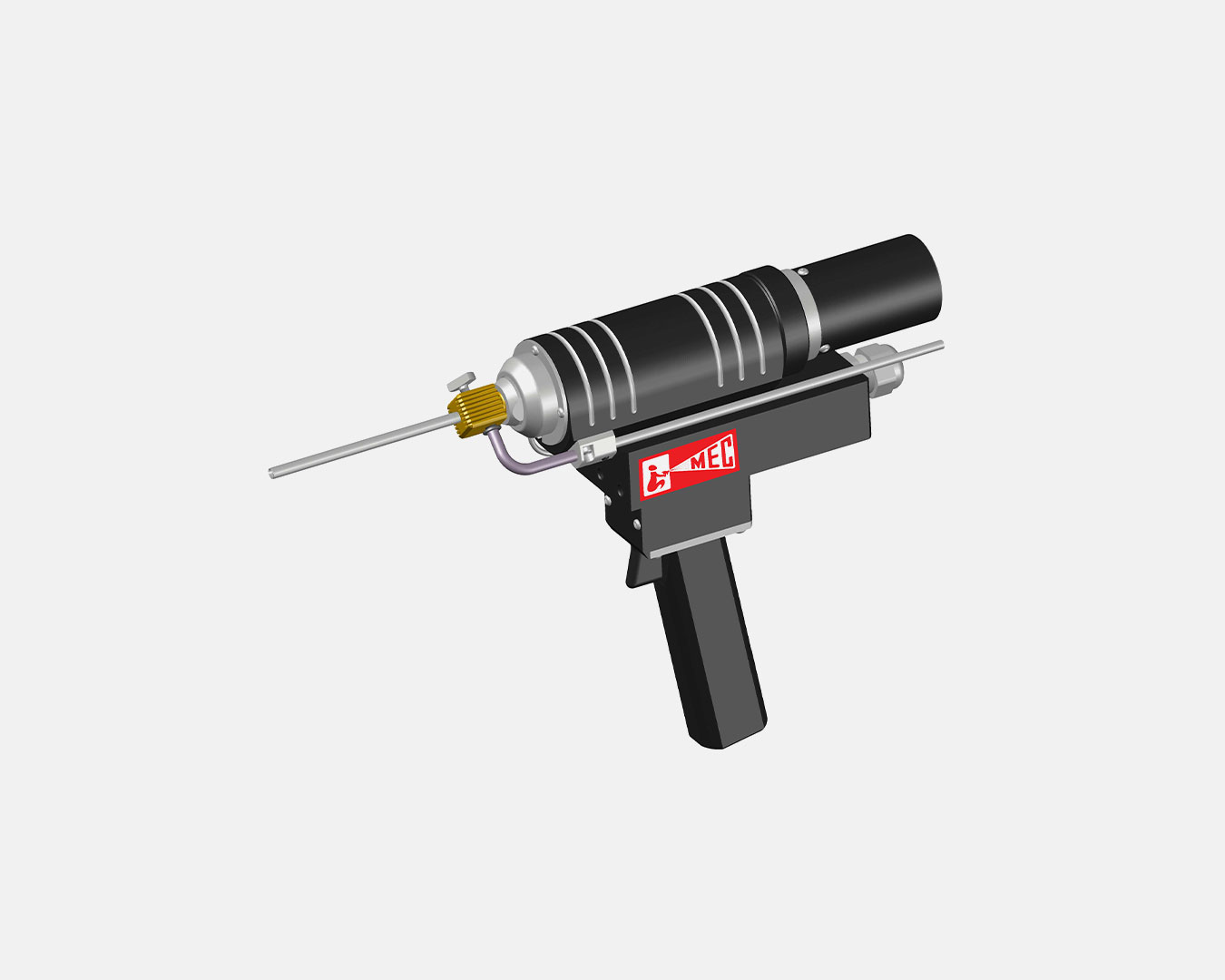
SPRAYCOLD® is a low-pressure cold spray system that deposits coatings in the solid state using heated compressed air. It enables high-adhesion, dense coatings without melting the feedstock material. The process minimizes oxidation, thermal distortion, and residual stresses on the substrate. SPRAYCOLD® is ideal for repair, buildup, and functional coatings on metals, glass, and ceramics.
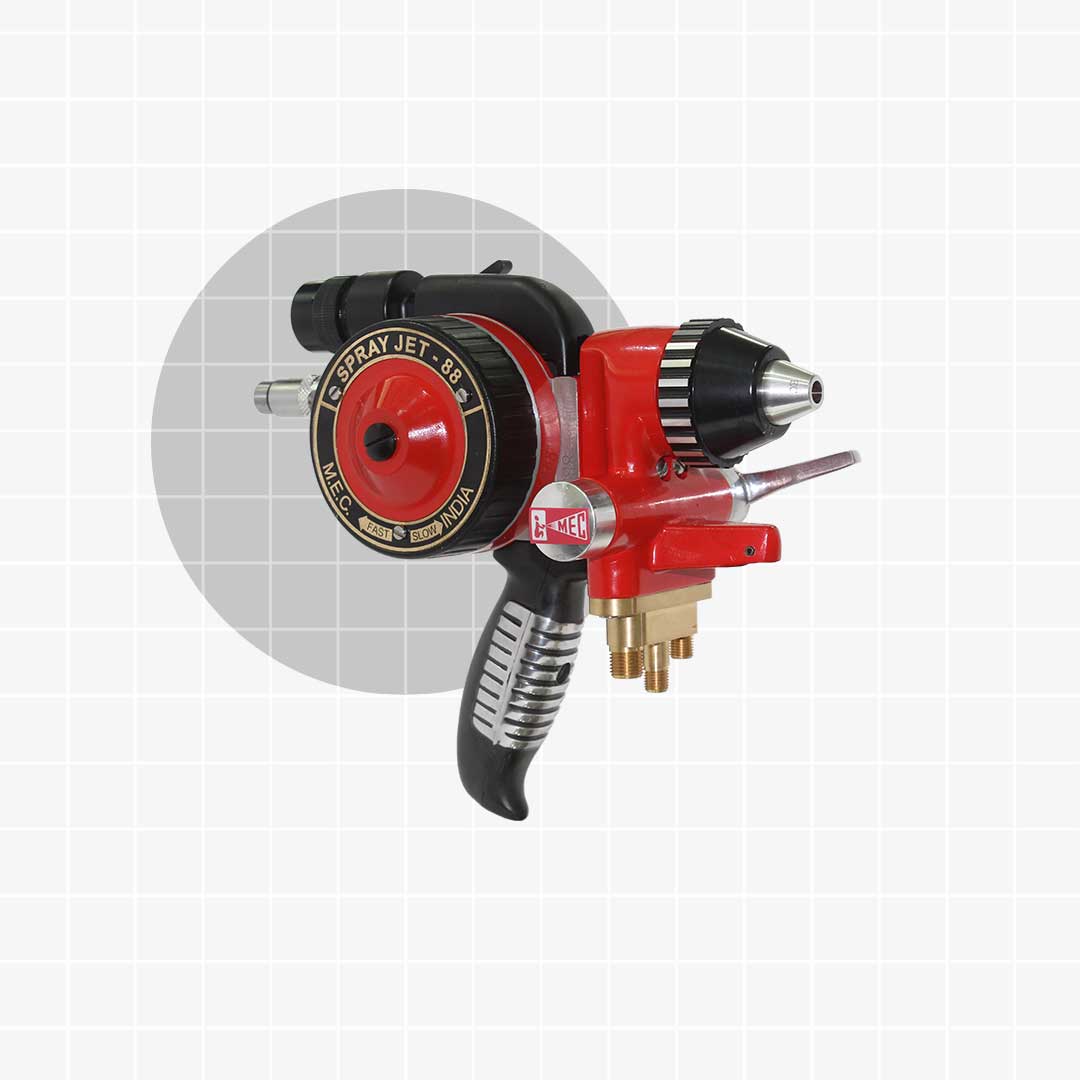
Flame spray systems use an oxygen–fuel flame to melt wire or powder feedstock and deposit coatings for surface protection and repair. The process is valued for its simplicity, flexibility, and portability, making it suitable for on-site and in-house coating operations. Flame spraying enables corrosion protection, dimensional restoration, and bond coat applications across a wide range of metallic materials.
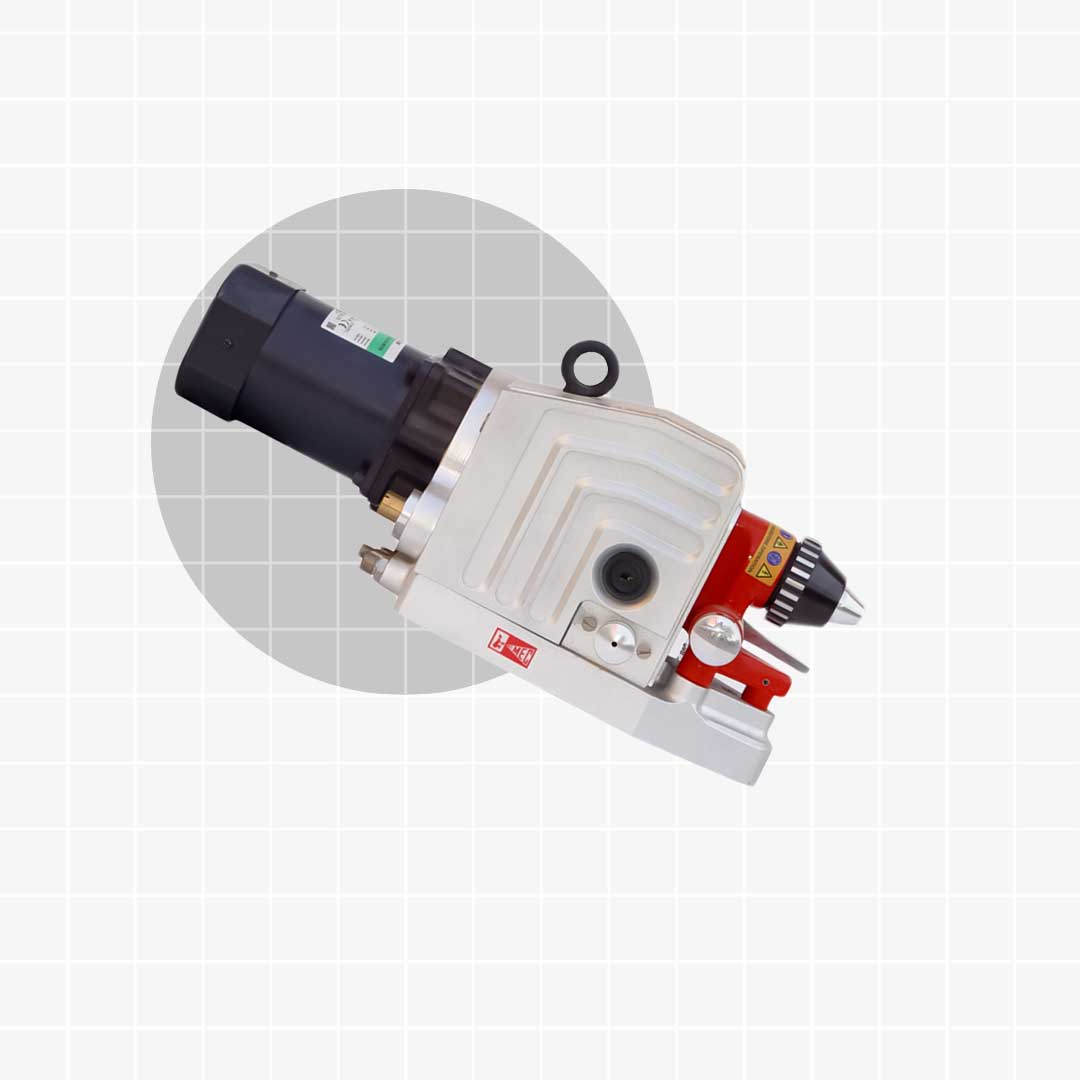
High Velocity Oxy-Fuel (HVOF) is a thermal spray process used to deposit dense and wear-resistant coatings on engineering components. In this process, a mixture of oxygen and fuel gas is combusted to generate a high-temperature, high-velocity gas stream. Powder particles injected into this stream are heated and accelerated toward the substrate at supersonic velocities. Upon impact, the particles flatten and solidify, forming coatings with high bond strength, low porosity, and excellent wear and corrosion resistance.
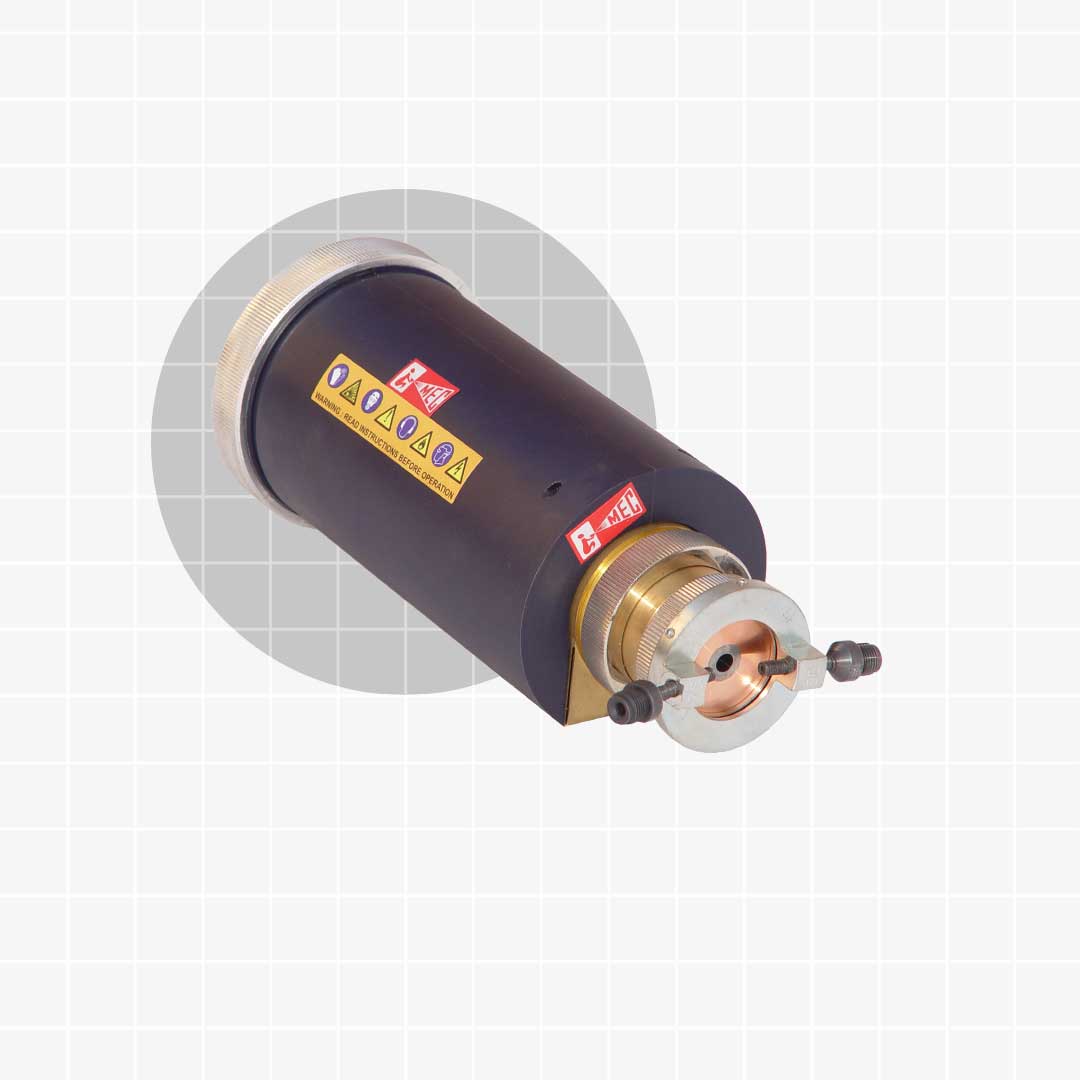
Liquid fuel HVOF is a thermal spray process where kerosene is used as the primary fuel and combusted with oxygen in a high-pressure combustion chamber. The combustion generates a high-temperature, high-pressure gas stream which expands through a nozzle to form a supersonic jet. Powder particles injected into this jet are heated and accelerated toward the substrate at very high velocities. Upon impact, the molten or semi-molten particles flatten and solidify to form dense coatings. The process produces coatings with low porosity, high bond strength, and minimal oxide content. It is widely used for depositing carbide-based coatings such as WC-Co, WC-CoCr, and Cr₃C₂-NiCr for wear and corrosion resistance applications.
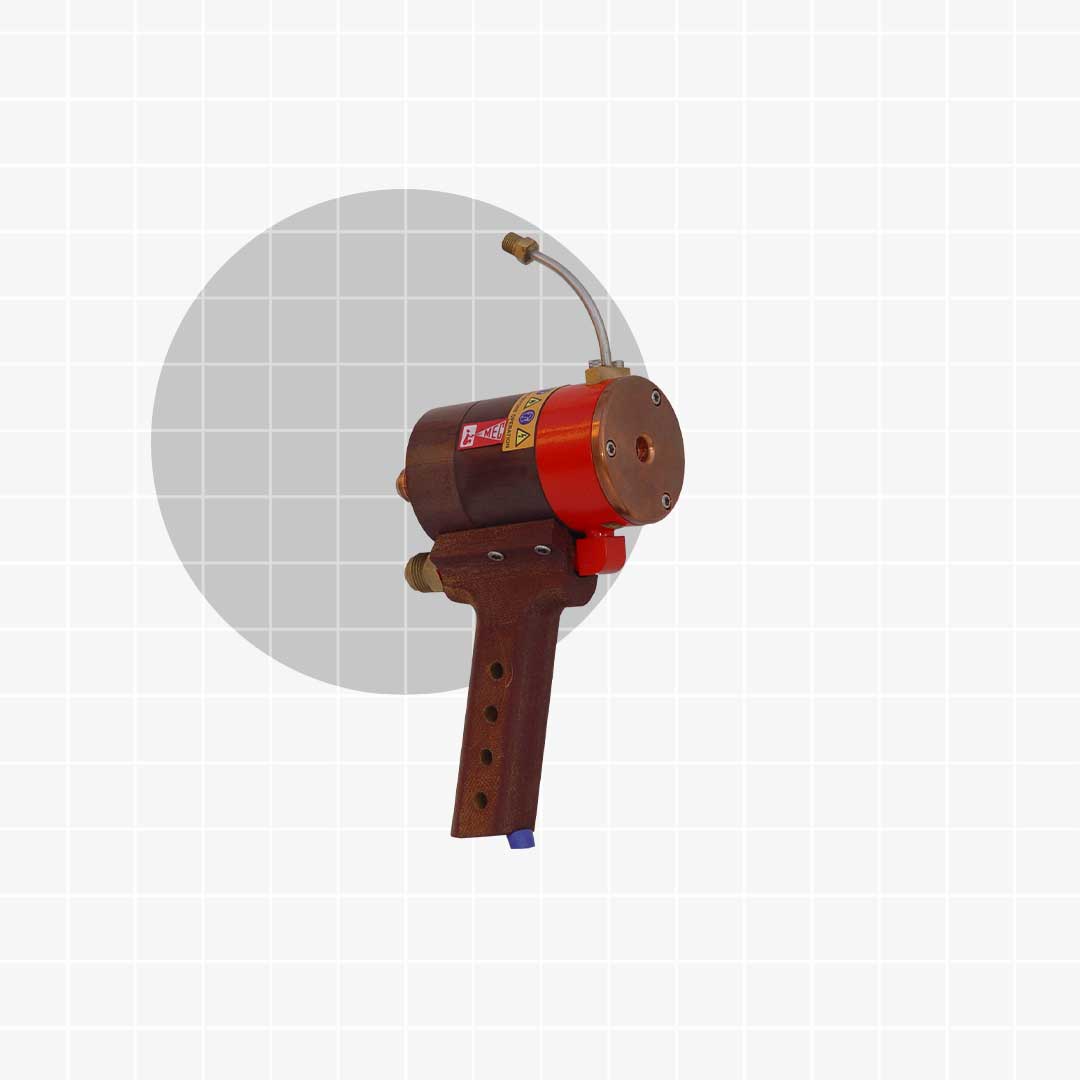
The MEC Plasma Spray System is a high-performance thermal spray solution engineered for precision, stability, and consistent coating quality across advanced surface engineering applications. It enables efficient deposition of ceramics, metals, carbides, and composites with superior adhesion and repeatable thickness control.The process utilizes a high-temperature plasma jet to melt feedstock powders, forming dense and well-bonded coatings on a wide range of substrates. It is widely used for wear resistance, thermal barrier coatings, corrosion protection, and functional surface enhancement in demanding industrial environments.
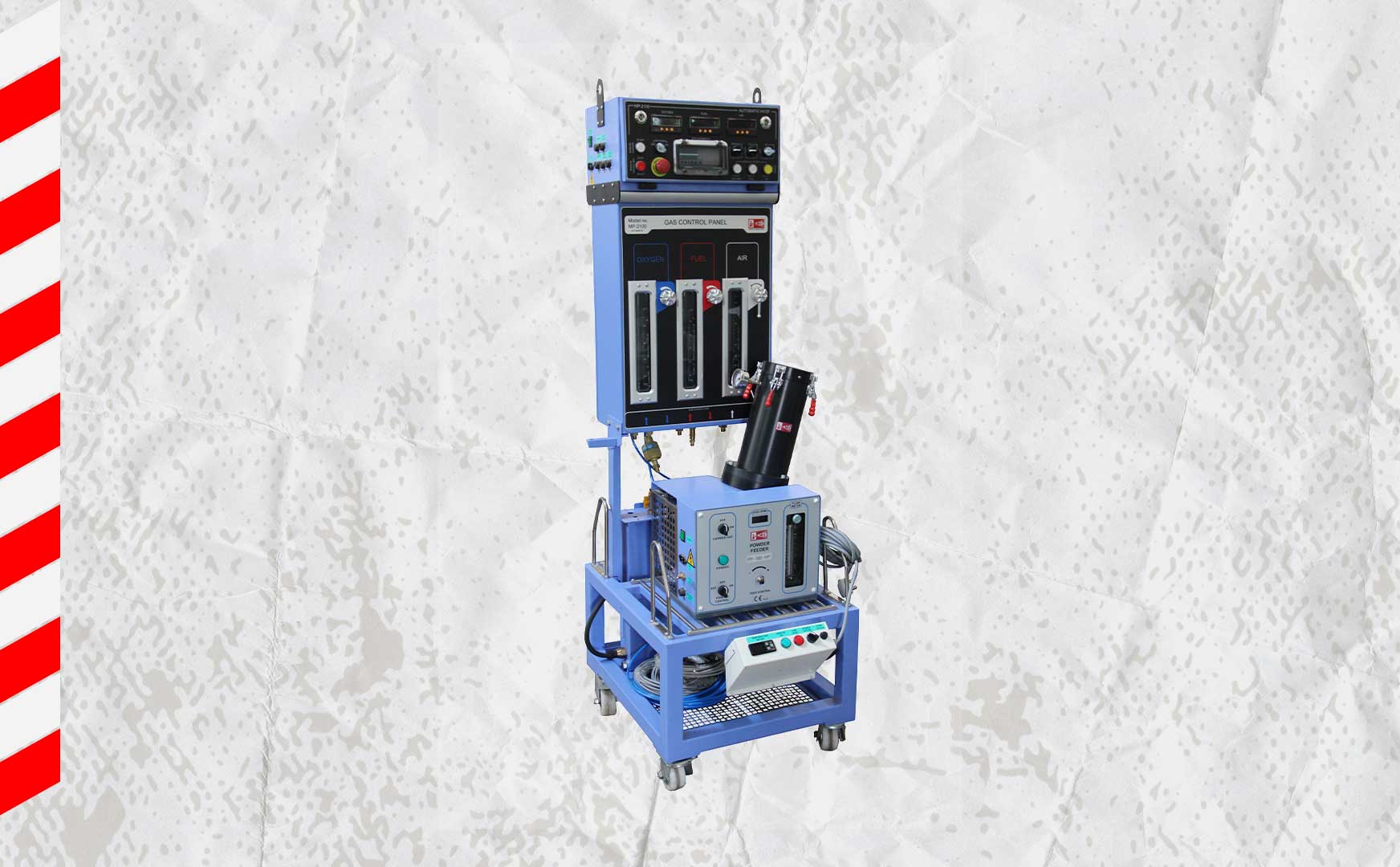
MEC powder feeders are designed to provide reliable and precise powder delivery for thermal spray and laser coating applications. The feeders utilize advanced volumetric and mass-flow feeding technologies, including perforated disk and suction-above-disk designs, to ensure stable and repeatable powder transport. A wide range of configurations—single, dual, and multi-canister systems allows flexibility for different coating processes and material requirements. MEC feeders are compatible with plasma, HVOF, laser, and other thermal spray systems, offering options for both standard and high back-pressure operations. Their modular design, interchangeable canisters, and optional heating jackets provide efficient operation in both laboratory and industrial environments.
Product by Applications
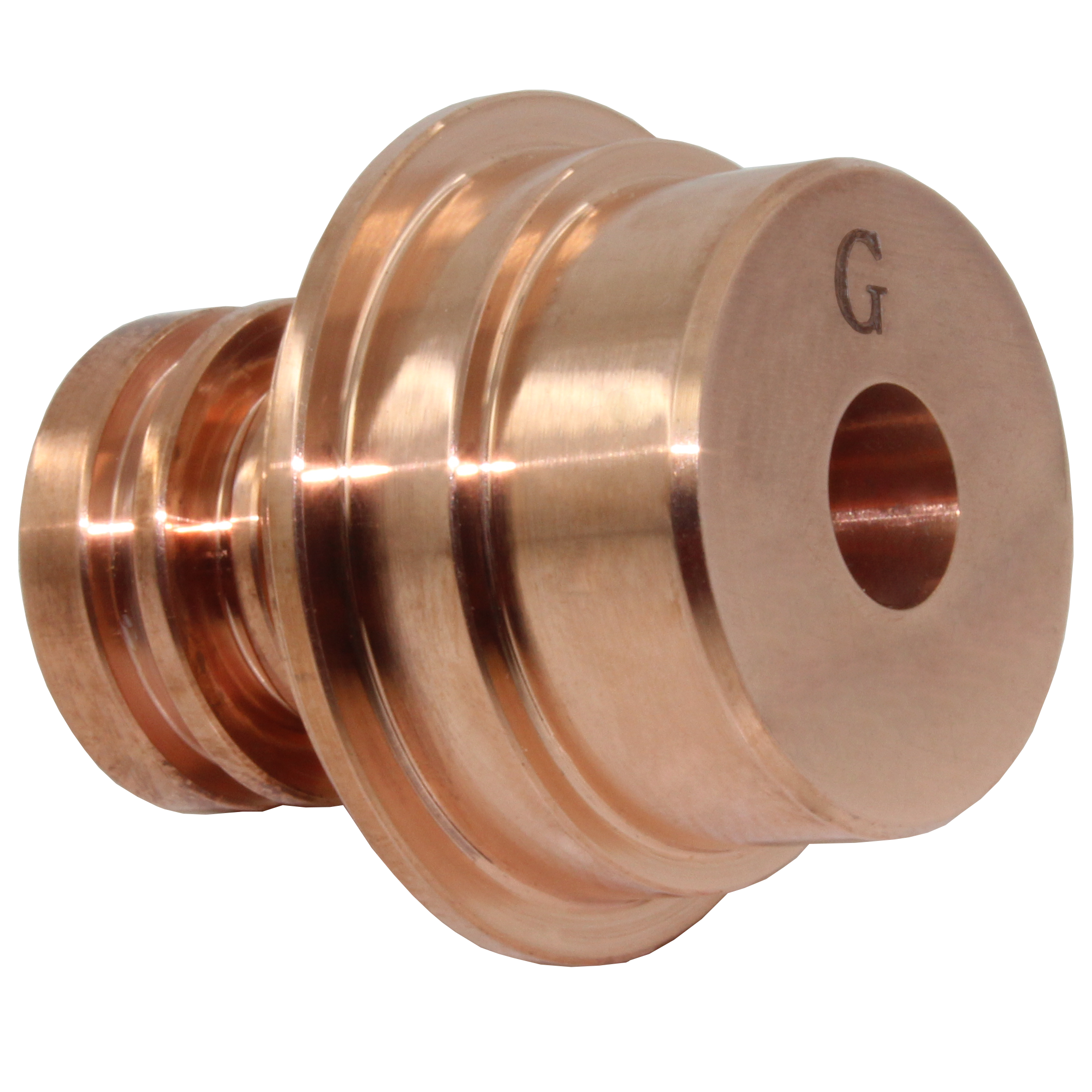
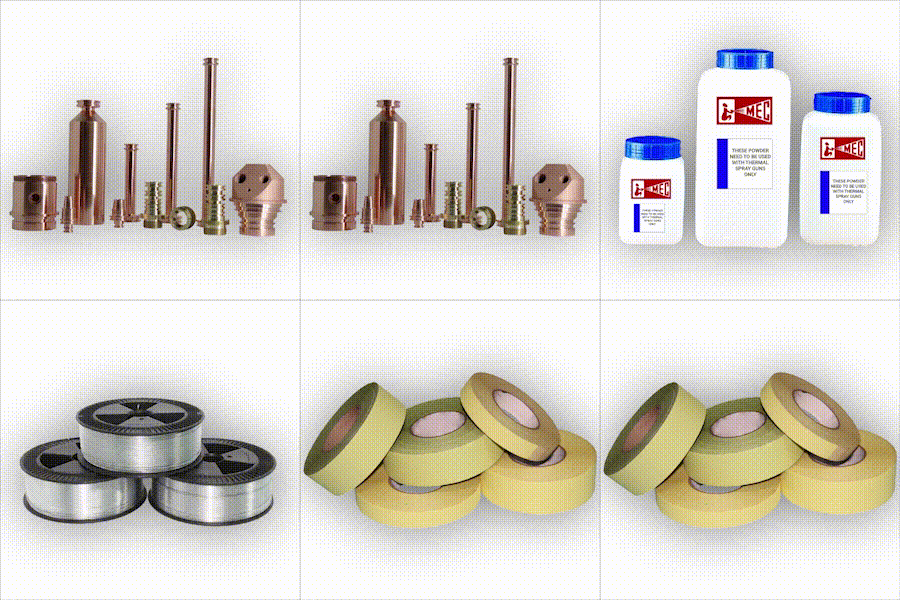
Explore our range of products and services